8th · Ningbo 2026
About the Meeting
The Galileo–Xu Guangqi Meetings offer a high-level platform for strategic exchange between East and West across relativistic astrophysics and its related theory, experiment and observation.
Scientific Scope
This edition centres on relativistic astrophysics, with particular attention to the late stages of stellar evolution, explosive processes, and compact objects and their high-energy behaviour. Sessions will review recent results from X-ray, gamma-ray and optical observations from space, from ground-based radio telescopes, and from particle-physics experiments in underground laboratories, alongside developments in relativistic theory itself.
Registration on 2 November; sessions 3–5 November; departure 6 November
Topics
- Late stages of stellar evolution and explosive processes
- Physics of compact objects: neutron stars, black holes
- Applications of AI in astronomy and physics
- Gamma-ray bursts and their high-energy emission mechanisms
- X-ray and gamma-ray astrophysics
- Gravitational waves and precision tests of general relativity
- Nuclear astrophysics and the equation of state of dense matter
- Accretion processes and jet physics
- Related observational and theoretical advances in high-energy astrophysics
Origins
The Galileo–Xu Guangqi Meetings began in 2009, the International Year of Astronomy, marking four centuries since Galileo first turned a telescope towards the sky. The inaugural meeting was held in Shanghai, organised jointly by the Shanghai Astronomical Observatory, Shanghai Jiao Tong University and ICRA/ICRANet.
Xu Guangqi (1562–1633) was a scholar of the Ming dynasty who, together with the Italian Jesuit Matteo Ricci, translated Euclid’s Elements and other works of Western science into Chinese. Through Ricci he learned of Galileo’s telescopic discovery of the moons of Jupiter, recognised what the instrument meant, and devoted himself to bringing the two scientific traditions together.
Galileo and Xu Guangqi never met. Yet they were contemporaries who, ten thousand kilometres apart, each set in motion the beginning of the same scientific revolution. This series carries their names and alternates between East and West precisely to keep that channel open.
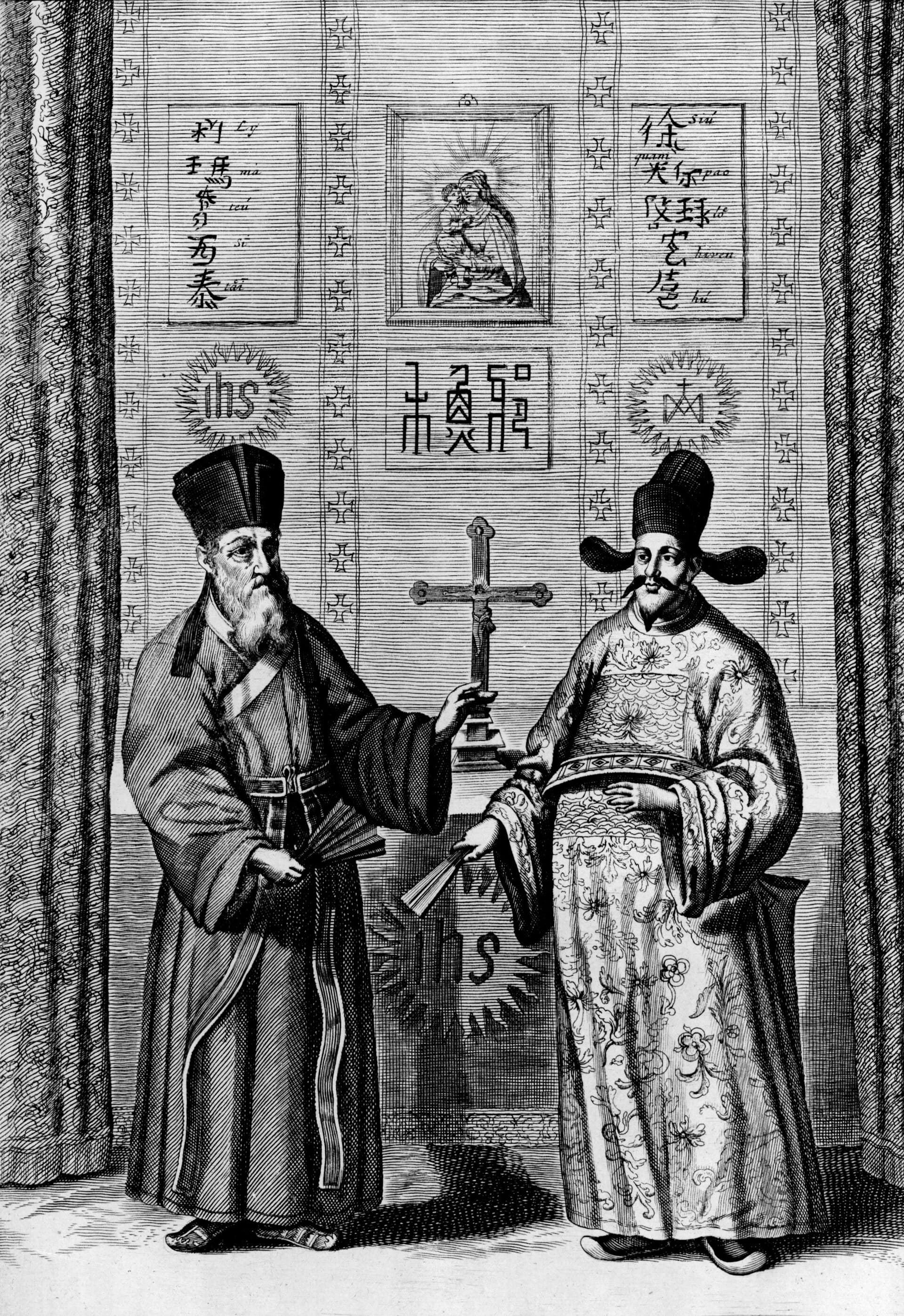
Two documents
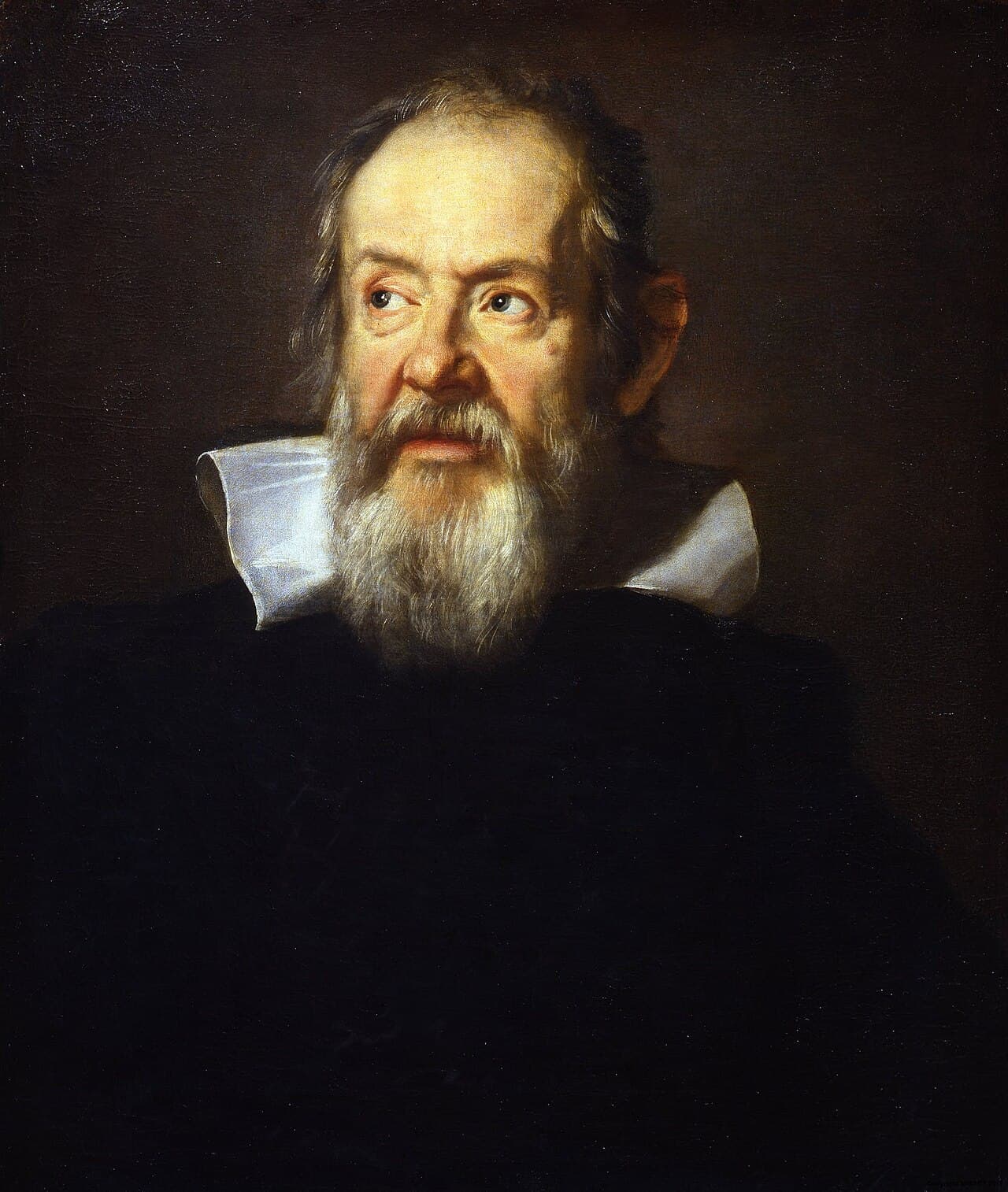
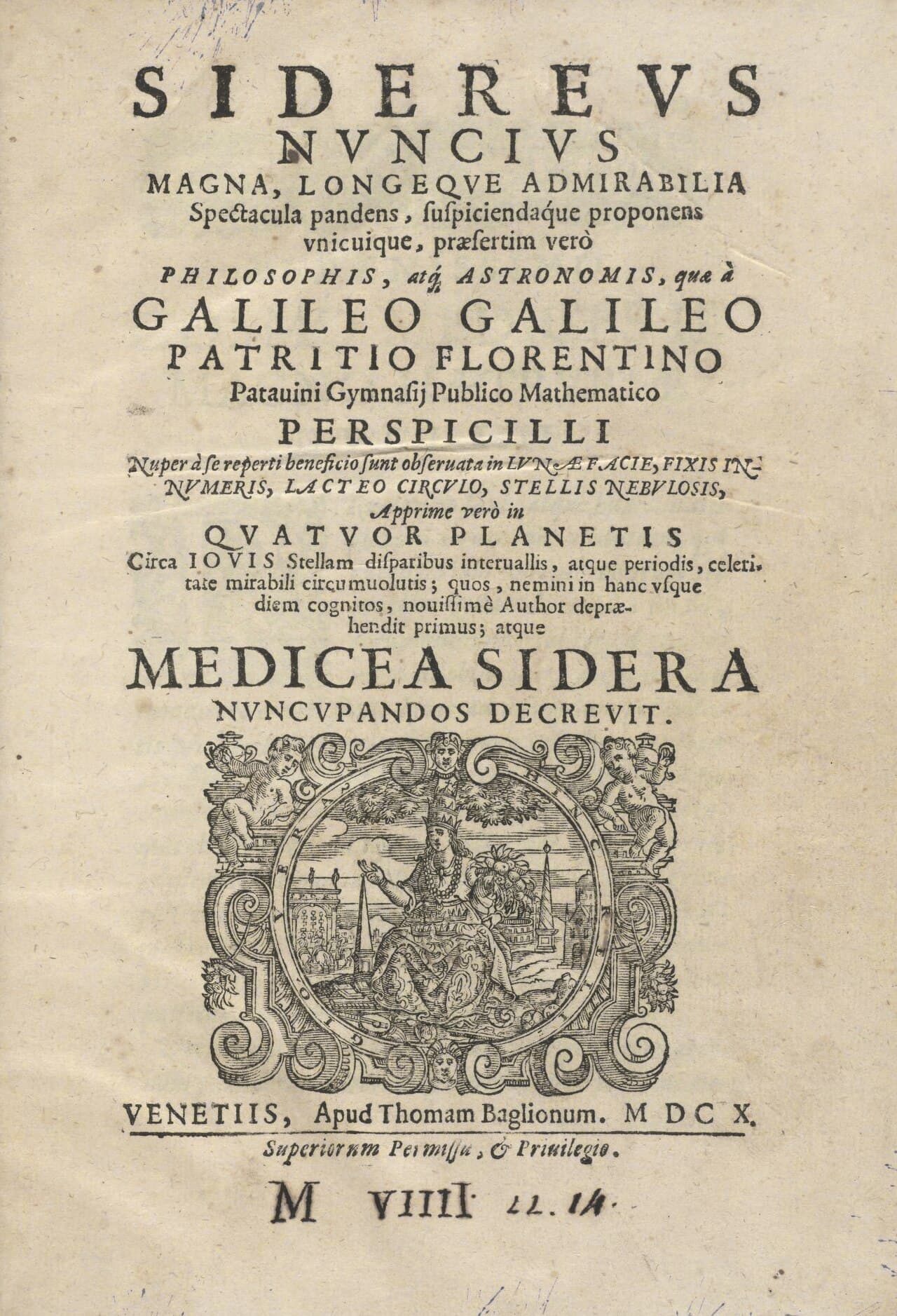
China and Italy
In 1978 Italy became the first Western country to sign an intergovernmental agreement on scientific and technological cooperation with China. In the decades since, collaboration in astronomy and space science has deepened steadily: the Insight-HXMT hard X-ray telescope, the DAMPE dark matter probe, the CSES/Zhangheng-1 satellite carrying the Italian-built high-energy particle detector Limadou, the China Jinping Underground Laboratory, and the China–Europe SVOM mission all involve scientists from both countries.
Organisers
- Ningbo University
- ICRA — International Center for Relativistic Astrophysics
- Institute of Fundamental Physics and Quantum Technology, Ningbo University
Chronology
Two threads: one running from Shanghai to Beijing, the other from Pisa to Florence. They begin within a few years of each other at the start of the seventeenth century, and meet four hundred years later in this series.
The sixteenth and seventeenth centuries
- 1562Xu Guangqi is born in Shanghai
Born in Taiqingfang, Shanghai county, on 24 April 1562.
- 1564Galileo Galilei is born in Pisa
Two years apart in age; the two never met.
- 1582Matteo Ricci reaches Macau
The Italian Jesuit would spend the next twenty-eight years in China.
- 1600Xu Guangqi meets Ricci in Nanjing
Wanli 28.
- 1603Xu Guangqi is baptised, taking the name Paulus
At Nanjing, Wanli 31.
- 1604Xu Guangqi passes the imperial examination
Wanli 32; selected as a Hanlin Academy shujishi.
- 1607The first six books of Euclid appear in Chinese
Xu and Ricci began the translation in 1606 and printed it the following spring, alongside their Celiang fayi on surveying. It is the first time Euclid appears in Chinese.
- 1609Galileo turns a telescope on the sky
Built to about twenty magnifications.
- 1610Sidereus Nuncius is published; Ricci dies in Beijing
In March the Sidereus Nuncius appears in Venice, recording the four moons of Jupiter. In May Ricci dies in Beijing. Xu learned of the discovery from Ricci’s successors.
- 1629Xu Guangqi is ordered to reform the calendar
Chongzhen 2. The resulting Chongzhen Treatise on Astronomy was submitted in instalments between 1630 and 1633 and completed in 1634.
- 1633Xu Guangqi dies in Beijing; Galileo is tried in Rome
Xu died on 8 November 1633, aged 71, and was given the posthumous name Wending. In the same year Galileo was tried in Rome over his Dialogue Concerning the Two Chief World Systems.
- 1639The Complete Treatise on Agriculture is printed
Edited from Xu’s manuscripts by Chen Zilong into sixty juan.
- 1642Galileo dies at Arcetri
China and Italy
- 1978China and Italy sign an intergovernmental agreement on scientific cooperation
Italy became the first Western country to establish such a partnership with China.
- 2021Xu Guangqi is written on the Moon
On 24 May the IAU approved eight Chinese names for features at the Chang’e 5 landing site: Statio Tianchuan, Mons Hua and Mons Heng, and the craters Pei Xiu, Shen Kuo, Liu Hui, Song Yingxing and Xu Guangqi.
The series
- 2009The first Galileo–Xu Guangqi Meeting
The International Year of Astronomy, four centuries after Galileo first turned a telescope on the sky. The inaugural meeting was held in Shanghai from 26 to 30 October.
- 2026The eighth meeting convenes in Ningbo
2–4 November, Ningbo University.